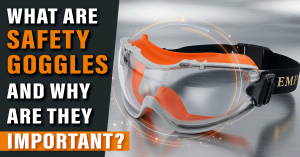

All job sites have their own hazards to the eyes. A woodworker slicing stock has flying dust to deal with. A lab worker working with acids has a different hazard—liquid. With every different hazard comes the need for different eye gear. Wearing the incorrect eye gear can result in injury. Most injuries occur because of wearing incorrect or no eye protection. It is about selecting the appropriate safety goggles. Selecting the proper industrial eye protection for the hazards you are potentially exposed to on the job is a good way to protect your eyes and your sight.
Types of Safety Goggles
Various kinds of protective goggles are required for various jobs. It is simple to select the most suitable pair by looking at the standard types.
Indirect Vent Safety Goggles
The indirect vent goggles contain covered caps for airflow that prevent liquids from entering. Air must pass through an angled passage, thus preventing fluid droplets from entering directly. These unique properties make them the best chemical splash goggle.
Direct Vent Safety Goggles
There are small open holes on the side of the direct vent goggles. These holes are the largest vents that flow maximum amount of air to cool your face when working vigorously. Only block off large flying dust or wood chips, not around liquid chemicals.
Non-Vented Safety Goggles
Vented goggles do have air holes. The air holes allow some ventilation the protective lens. Non-vented goggles trap all the air away from your eyes. These goggles do work best with bad fumes, harmful gases, or fine dust.
Anti-Fog Safety Goggles
Plain spectacles and lenses fog up within a matter of seconds due to our sweat and the environment’s humidity. Anti-fog safety goggles are coated with an invisible film that stops the mist from forming, allowing one to see straight through when outside in the sun or entering a cool room.
Chemical Splash Goggles
This is made from soft, flexible rubber or plastic that comfortably seals to your face. They form a cover so all splashes of the very corrosive acids or solvents are stopped from hitting your skin or eyes.
Over-the-Glasses (OTG) Safety Goggles
If you need glasses underneath, the standard model goggle might be too tight and uncomfortable. OTG (“over the glasses”) models have a larger lens and a thicker bridge. They will go over your normal glasses.
How to Choose the Best Safety Goggles
Choosing the right safety glasses shouldn’t be complicated. Before you go looking for your safety glasses, just keep these key points in mind:
- The initial stage of hazard assessment is to analyze your working environment. Ascertain whether your primary hazards are emanating from knifelike objects being airborne, sprays of liquid or extreme heat, or from hazardous exhalations isuski
- Lightweight, resistant to fracturing – polycarbonate lenses are lightweight and durable, so they are preferable for heavy-duty and long-day tasks. Conversely, acetate lenses are more resistant to chemicals, which is ideal for working in laboratories.
- Lens Coatings: Anti-scratch coatings are advisable to be used if you work in a rough environment. Anti-fog coatings should be used if you work in a hot/humid or sweaty environment.
- Type of vent: Make one vent per hazard of your work. Dust is vented directly, liquid indirectly, and sialogenically not vented.
- Wear Soft Rubber Seals and straps that you can adjust comfortably. If the gear is uncomfortable, you’ll want to take it off…which could put you in danger.
- Goggle Compatibility: The goggles should sit comfortably against your hard hat, face mask, and roll bar, with no air gap between the goggle and your face.
Best Industries That Use Safety Goggles
Apart from all the other features, a workplace should have certain features to ensure the safety of its workers. Here’s a clear elaboration about cross-checking the need for eye protection at the workplace, with various industries:
Industry Main Hazard Recommended Goggle Feature
- Building: Spattered dust, chips, and grit from windows and sparks. Safety goggles with polycarbonate lenses, since they resist breakage and splinters better than glass ones
- Manufacturing: Generation of metal chips, sparks, and debris Incomplete or compromised venting systems for both direct and indirect venting applications should be rated for impact
- Chemical Processing: Acid splashes, caustics, and fumes. Non-vented or indirect vent chemical splash goggles
- OIL & GAS: Crude oil spray and flying sand. Sealed frame goggles ( anti-fog coatings)
- Laboratories: Biohazards, acid drops, vapors. Laboratory safety goggles with large OTG frames
- Healthcare: Fluid splashes and small droplets. Fluid-resistant indirect vent goggles
- Mining Heavy rock dusts and low light conditions High-visibility, scratch-resistant clear goggles
- Welding Support Heat blink, UV original and hot flecks Shaded coping goggles
- Food Processing Cleansed liquids and hot liquids in the processing of foods Indirect vent goggles with wipeable straps
Care and Maintenance Tips
Proper maintenance of your equipment will extend its life and improve your viewing. Keep in mind a few simple sun protection guidelines:
- Rinse Lenses First: Remove grit with warm water and gentle soap. Never wipe a dirty lens; you’ll scratch it.
- Use Microfiber Towels: Keep all your equipment dry with a soft microfiber towel. Never use dirty rags or coarse paper towels.
- Store them carefully: Store your goggles in a soft pouch or hard case when they are not being worn.
- Do not use aggressive cleaners: Do not spray your lenses with alcohol, window cleaner, or any other harsh solvent, as these liquids will remove the anti-fog coating from the lenses.
In what situations do you need to replace safety goggles?
You must see your gear prior to beginning work at the start of each day. Change your pair straight away if any of these problems occur:
Damage Sign Why It Matters Action Needed
- Deep Scratches decrease the impact strength and cause eye strain; change the lens or goggle immediately
- Broken Frame Does not provide safe absorption of heavy punches. Goggles must be replaced immediately
- Inability to sit tightly on head allows dust and other contaminants to enter between sides or allow liquids to enter between sides. Replace strap or purchase new pair
- Hardened Face Seal -Irritating gaps all around your nose and cheeks -Put on a new goggle for a snug fit
Conclusion
One of the simplest ways to protect your eyes at work is by selecting the safest pair of goggles. Simply assess the hazards you face and opt for certified eye protection with the appropriate vents and coatings so that you can work securely. Protective Wears offers a wide range of high-quality safety goggles designed to provide reliable eye protection across various industrial and workplace environments.
Safety Goggles FAQ’s
What is the difference between Safety glasses and safety goggles?
Safety glasses have gaps at the sides and top. They offer protection mainly against impacts from the front. Safety goggles, however, provide a complete rim that prevents entry of liquids, fine dust, or noxious gases.
Can scratched lenses lose their protection?
Yes. Scratched polycarbonate lenses are physically weaker. They reflect light poorly and cause unhappy reflections resulting in glare and eye fatigue over an extended period.
Are anti-fog goggles a good buy?
Yes, definitely. Fogged lenses mean you have to remove your gear, risking your eyes being exposed to risk by not having protection. Anti-fog models will leave your lens clear, keep you safe, and allow you to continue.
What is the right fit for safety goggles?
Your goggles should sit flush on your skin all the way across your eyes and nose bridge. The elastic strap should keep the frame close to your head, but not tightly.