
One of the industries which are very risky in Iraq is the oil and gas sector. Workers in this sector have to deal with slippery platforms, heavy machines, chemical contact, harsh weather conditions and dropping objects. Wearing regular work shoes is not sufficient in this environment. Special safety shoes for oil and gas in Iraq should be worn.
The use of certified industrial footwear can decrease injuries while increasing comfort in terms of lengthy work shifts. If you are employed in activities such as drilling, refining, pipeline maintenance, and field inspections, selecting proper footwear is important because it will influence your safety and efficiency in the workplace.
This guide provides information on the important considerations that can assist you in selecting proper oilfield safety footwear. It also includes information about anti-slip safety in Iraq, heat-resistant safety shoes in Iraq and waterproof safety boots in Iraq.
Why Safety Shoes Are Essential in Iraq’s Oil & Gas Industry
Workplace Hazards in Oil & Gas Operations
Oilfields and refineries expose workers to several daily risks.
| Workplace Hazard | Risk to Workers | Required Footwear Feature |
| Heavy equipment | Crush injuries | Steel or composite toe |
| Slippery surfaces | Slips and falls | SRC anti-slip outsole |
| Chemical spills | Skin burns and material damage | Chemical-resistant upper |
| Hot surfaces | Sole damage and burns | Heat-resistant outsole |
| Falling objects | Foot injuries | Reinforced toe cap |
| Sharp metal debris | Puncture wounds | Anti-puncture midsole |
| Electrical hazards | Electric shock | EH-rated footwear |
Benefits of Wearing Proper Industrial PPE
Quality safety footwear provides several important benefits:
- Reduces workplace injuries
- Improves grip on oily surfaces
- Minimizes foot fatigue
- Supports compliance with workplace safety regulations
- Increases worker confidence during demanding tasks
Key Features to Look for in Oilfield Safety Boots
Here are some key features that you look for in safety boots in an oilfield:
- Steel Toe or Composite Toe Protection
- Anti-Slip Outsoles
- Heat-Resistant Sole
- Waterproof Construction
- Anti-Puncture Midsole
- Electrical Hazard Protection
- Chemical-Resistant Materials
Choosing Safety Shoes Based on Your Oil & Gas Job Role
Drilling Workers
Recommended features:
- Steel toe protection
- Anti-slip outsole
- Waterproof construction
- Puncture-resistant midsole
Refinery Operators
Choose footwear with:
- Chemical resistance
- Heat-resistant outsole
- Oil-resistant sole
- Slip-resistant grip
Pipeline Maintenance Teams
Ideal features include:
- Waterproof construction
- Lightweight cushioning
- Anti-puncture protection
- Durable outsole
Offshore Workers
Recommended footwear should include:
- Waterproof membranes
- SRC slip resistance
- Corrosion-resistant materials
- Comfortable cushioning
Mechanical Engineers
Look for:
- Composite toe protection
- Lightweight design
- Oil-resistant outsole
- Breathable upper
Electrical Technicians
Best options include:
- Electrical hazard protection
- Composite toe
- Non-metallic construction
- Slip-resistant sole
Site Supervisors
Supervisors benefit from footwear offerings:
- Lightweight comfort
- All-day cushioning
- Slip resistance
- Professional appearance
Steel Toe vs Composite Toe Safety Shoes
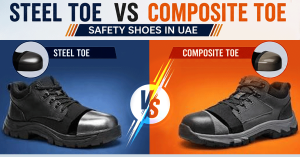
Before choosing a toe cap, compare the benefits of steel toe vs composite toe safety shoes for different workplace conditions.
| Feature | Steel Toe | Composite Toe |
| Weight | Heavier | Lighter |
| Material | Steel | Fiberglass, Kevlar, carbon fiber, or composite materials |
| Protection | High impact and compression protection | Same certified protection as steel when compliant |
| Heat Conductivity | Conducts heat and cold | Does not conduct heat or cold |
| Metal Detection | Triggers metal detectors | Does not trigger metal detectors |
| Best For | Heavy-duty oilfield and drilling work | Electrical work, inspections, and long shifts in hot conditions |
Which Option Is Better for Iraq’s Oil & Gas Industry?
Both options perform well when properly certified. Steel toe footwear is ideal for heavy industrial work, while composite toe footwear offers greater comfort in Iraq’s hot weather and for jobs requiring extended mobility.
Importance of Anti-Slip Safety Shoes in Oilfields
Common Slip Hazards
Workers regularly encounter:
- Oil spills
- Wet concrete
- Mud
- Grease
- Metal walkways
Benefits of SRC Slip Resistance
SRC-rated footwear provides the following:
- Better traction
- Reduced fall risk
- Greater stability
- Improved worker confidence
Sole Patterns That Improve Grip
Effective outsole designs include:
- Deep lugs
- Multi-directional tread
- Wide contact areas
- Oil-channel grooves
Why Heat-Resistant Safety Shoes Matter in Iraq
Working in High Temperatures
Summer temperatures can place additional stress on workers and footwear. Heat-resistant soles maintain durability and grip even when exposed to hot industrial surfaces.
Heat-Resistant Outsole Technology
Modern rubber compounds help:
- Resist heat damage
- Prevent sole cracking
- Maintain flexibility
- Improve durability
Breathable Upper Materials
Breathable mesh and premium leather improve airflow while maintaining protection.
Moisture Management Features
Quality footwear should include the following:
- Moisture-wicking lining
- Ventilation channels
- Sweat-absorbing insoles
- Breathable construction
Waterproof Safety Boots in Iraq for Harsh Working Conditions
When Waterproof Boots Are Necessary
Waterproof footwear is recommended for:
- Drilling sites
- Pipeline maintenance
- Rainy conditions
- Muddy worksites
- Chemical wash-down areas
Waterproof vs Water-Resistant Footwear
| Feature | Waterproof Boots | Water-Resistant Boots |
| Water protection | Complete | Limited |
| Heavy rain | Excellent | Moderate |
| Mud | Excellent | Fair |
| Long exposure | Suitable | Not recommended |
| Chemical splash protection | Better | Limited |
Best Materials for Wet Environments
Common materials include:
- Waterproof leather
- PU-coated leather
- Waterproof membranes
- Nitrile rubber outsoles
Safety Standards to Look For
| Certification | Purpose |
| EN ISO 20345 | International safety footwear standard |
| ASTM F2413 | Foot protection for industrial workplaces |
| CE Certification | Confirms compliance with European requirements |
| S3 Safety Shoes | Toe protection, anti-puncture midsole, water resistance |
| SRC Slip Resistance | Highest slip-resistance classification |
| Oil & Fuel Resistant Standards | Improves outsole durability against petroleum products |
How to Select the Right Size and Fit
Here is the list below that you should consider while selecting the right size and fit of safety shoes:
- Proper Toe Room
- Arch Support
- Cushioning
- Breathability
- Socks That Improve Comfort
Common Mistakes When Buying Oilfield Safety Boots
Avoid these common purchasing mistakes:
- Choosing price over protection
- Ignoring safety certifications
- Buying the wrong size
- Overlooking outsole quality
- Not checking heat resistance
- Ignoring waterproof capability
- Replacing footwear too late
How to Maintain Safety Shoes for Maximum Lifespan
- Daily Cleaning
- Drying Properly
- Checking Soles and Toe Caps
- Replacing Worn-Out Boots
- Proper Storage
Industries That Require Industrial PPE in Iraq
Many industries rely on certified safety footwear, including:
- Oil & Gas
- Petrochemical Plants
- Refineries
- Construction
- Manufacturing
- Mining
- Logistics
- Heavy Engineering
Safety Shoes FAQs
What are the best safety shoes for oil and gas workers in Iraq?
The best safety shoes for oil and gas in Iraq combine steel or composite toe protection, SRC slip resistance, heat-resistant outsoles, waterproof construction and S3 certification.
Are steel-toe boots mandatory on oilfield sites?
Many oilfield employers require certified protective toe footwear. Site requirements vary depending on workplace risk assessments.
What safety rating should oilfield boots have?
S3-rated footwear with EN ISO 20345 certification, SRC slip resistance and oil-resistant soles is widely recommended.
Why are anti-slip safety shoes important in Iraq?
They reduce slips and falls on wet, oily and muddy surfaces. It also makes anti-slip safety measures essential for worker safety.
Are waterproof safety boots necessary in Iraq?
Yes. Waterproof safety boots in Iraq are valuable for drilling operations, pipeline work and environments exposed to water, mud or chemicals.
How long do industrial safety shoes last?
Typically, industrial safety shoes will last for six months to 18 months.
What is the difference between S3 and S1 safety shoes?
S3 shoes have water-resistance and puncture-proof features while S1 shoes are made for dry indoor environments.
Can heat-resistant safety shoes improve worker safety?
Yes. Heat-resistant safety shoes in Iraq help protect workers from hot surfaces while maintaining outsole performance in high-temperature environments.
Conclusion
Picking appropriate safety shoes for the oil and gas industry in Iraq is very important for ensuring safety from dangers such as heavy equipment, slipping, chemical hazards, electrical hazards, and extreme heat. Features like steel toe/composite toe, SRC-rated non-slip, puncture resistant midsole, water resistance and safety standards certification ensure safety in tough oil and gas environments. Buying certified industrial footwear at Protective Wears will increase safety and productivity. From anti-slip safety shoes in Iraq to heat-resistant safety shoes or even waterproof safety boots in Iraq, buying quality oil field safety shoes is a good decision. Businesses looking for regional PPE sourcing options can also explore our guide to industrial safety shoes in Saudi Arabia.