
The UAE has a large industrial sector, including construction sites, manufacturing plants, oil and gas facilities, warehouses, workshops, and metal fabrication yards. These workplaces can expose workers to cuts, heat, chemicals, impact, abrasion, and other hand injuries. Choosing the right industrial safety gloves is therefore an important part of workplace safety. The correct gloves should match the specific hazards of the job, provide a secure grip, and meet the relevant safety requirements.
However, selecting protective gloves is about more than choosing the cheapest option. Managers should consider the working environment, material, protection level, comfort, durability, and applicable standards before placing a bulk order. This guide explains the main types of safety gloves in the UAE, important standards, product features, and practical care tips to help businesses choose suitable hand protection.
Why Do Industrial Workers Need Safety Gloves?
Hands are exposed to many workplace hazards. Standard clothing or general-purpose gloves may not provide enough protection for demanding industrial tasks.
Depending on the application, industrial safety gloves can help protect workers from:
- Cuts and punctures: Cut-resistant materials can reduce the risk of injuries when handling sharp metal, glass, or tools.
- Heat and sparks: Heat-resistant gloves can provide protection when working around hot surfaces, welding sparks, and heated materials.
- Chemicals: Chemical-resistant gloves are designed for specific chemical handling applications.
- Impact: Gloves with impact protection can help protect the back of the hand and fingers from knocks and crushing hazards.
- Abrasion: Durable materials can help protect hands during repetitive handling and mechanical work.
- Poor grip: Coated palms and fingers can improve grip when handling oily, wet, or slippery materials.
The right glove should always be selected according to the actual risk assessment for the workplace.
Key Features to Look for in Industrial Safety Gloves
Not every pair of protective gloves provides the same level of protection. Before purchasing, consider the hazards workers face and choose gloves designed for those conditions.
1. Cut Resistance
Workers who handle sheet metal, glass, sharp components, or cutting tools may require cut-resistant gloves. Materials such as HPPE, aramid, and engineered synthetic fibers are commonly used in cut-resistant designs. Some gloves also include nitrile or polyurethane coatings to improve grip and handling. When comparing products, check the manufacturer’s stated protection level and the applicable test standard rather than relying only on the phrase “cut resistant.”
2. Heat and Welding Protection
Workers exposed to heat, sparks, hot materials, or welding operations may require heat-resistant gloves or specialist welding gloves. Leather is commonly used for welding applications because of its durability and resistance to heat and sparks. The required glove should depend on the welding process, temperature, task duration, and other workplace hazards. Do not use general-purpose gloves as a substitute for gloves specifically designed for high-temperature or welding applications.
3. Chemical Resistance
Chemical handling requires carefully selected chemical-resistant gloves. Different glove materials provide different levels of resistance to different chemicals. Neoprene, nitrile, PVC, butyl, and other materials may be suitable for particular applications. Always check the manufacturer’s chemical-resistance data and select gloves based on the exact substance, concentration, temperature, exposure time, and working conditions.
4. Impact Protection
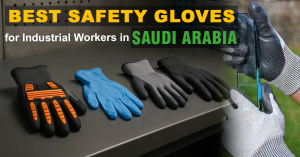
Industrial workers may also face impact or crushing hazards when working with heavy tools, machinery, pipes, and metal components. Impact-resistant gloves can include protective elements over the knuckles and fingers. These gloves are particularly useful in applications where the back of the hand may be exposed to knocks or falling objects. However, impact protection does not eliminate the need for safe handling procedures and other PPE.
5. Grip and Comfort
A glove can provide excellent protection but still be unsuitable if workers cannot comfortably perform their tasks.
Look for features such as:
- Textured or coated palms
- Secure wrist closures
- Breathable materials
- Flexible finger construction
- Appropriate sizing
- Good dexterity
- Oil- or water-resistant coatings where required
A comfortable glove is more likely to be worn correctly throughout the work shift.
Safety Glove Standards in the UAE
When purchasing industrial PPE, businesses should check the product’s technical documentation and applicable conformity requirements.
EN 388 for Mechanical Risks
EN 388 is commonly used to classify protective gloves against mechanical risks. Depending on the applicable version and test, the standard covers areas such as abrasion, blade cut resistance, tear resistance, puncture resistance, and impact protection. The markings on the glove should be interpreted using the manufacturer’s technical information rather than simply assuming that a higher number means the glove is suitable for every application.
EN 407 for Thermal Risks
EN 407 relates to protective gloves against thermal risks. It can cover different forms of heat exposure, including contact heat, convective heat, radiant heat, and molten metal, depending on the glove’s test results. For welding and high-temperature applications, select gloves specifically designed and tested for the intended task.
Chemical-Resistant Gloves
Chemical protective gloves should be evaluated against the specific chemicals used in the workplace. Relevant product markings and technical documentation should be checked before purchase. Businesses should also follow their workplace risk assessment and the manufacturer’s instructions for use.
Common Types of Industrial Safety Gloves
| Glove Type | Common Materials | Suitable Applications |
|---|---|---|
| Cut-Resistant Gloves | HPPE, aramid, engineered fibers, nitrile coatings | Sheet metal, glass handling, assembly |
| Leather Work Gloves | Cowhide and other leather types | General handling, construction, heavy-duty work |
| Welding Gloves | Heat-resistant leather | Welding and high-temperature work |
| Chemical-Resistant Gloves | Nitrile, neoprene, PVC, butyl and other materials | Chemical handling and industrial cleaning |
| Impact-Resistant Gloves | Synthetic materials with impact protectors | Mechanical work, oil and gas, heavy handling |
| General-Purpose Gloves | Synthetic or coated materials | Light handling and routine industrial tasks |
The correct choice depends on the hazards present in the specific workplace.
How to Choose the Right Safety Gloves in the UAE
Before purchasing PPE for your workforce, consider these factors.
Identify the Workplace Hazards
Start with a workplace risk assessment. Determine whether workers are exposed to sharp edges, heat, chemicals, impact, abrasion, oil, moisture, or other hazards.
Match the Glove to the Task
A glove designed for metal handling may not be suitable for chemical handling. Similarly, a chemical-resistant glove should not automatically be used for welding or high-temperature work.
Check the Standards and Technical Data
Review the product markings, manufacturer’s specifications, test results, and conformity documentation. This helps ensure that the glove is suitable for its intended application.
Select the Correct Size
Poorly fitting gloves can reduce dexterity and comfort. Gloves that are too loose may interfere with tools, while gloves that are too tight can restrict movement.
Consider Grip and Dexterity
Workers handling tools, components, and machinery need sufficient finger movement and grip. A highly protective glove is not necessarily the best option if it prevents workers from performing the task safely.
Consider the Working Environment
UAE workplaces can involve high temperatures, dust, oil, moisture, and demanding outdoor conditions. Choose materials and coatings that are appropriate for the environment and application.
Practical Tips for Safety Glove Care
Proper maintenance can help extend the useful life of protective gloves and identify damaged PPE before it becomes a safety problem.
Workers should:
- Inspect gloves before each use.
- Check for holes, tears, worn areas, and damaged stitching.
- Follow the manufacturer’s cleaning instructions.
- Allow washable gloves to dry completely before reuse.
- Store gloves away from direct sunlight, excessive heat, and chemicals when required.
- Replace gloves when they are damaged or no longer provide the required protection.
Do not continue using protective gloves simply because they still look usable. If the glove has lost its protective properties, replace it.
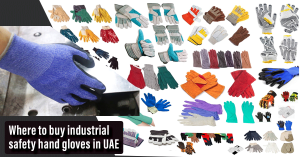
Where to Buy Industrial Safety Gloves in the UAE?
Businesses can purchase industrial safety gloves in the UAE from specialist PPE suppliers and industrial safety equipment distributors. When buying online or in bulk, check the product specifications, available sizes, protection ratings, manufacturer’s information, and applicable conformity documentation. At Protective Wears, businesses can explore a range of protective handwear for different industrial applications. Always select PPE according to your workplace risk assessment and the manufacturer’s recommendations.
Conclusion
Choosing the right industrial safety gloves is an important part of protecting workers in UAE industrial environments. Different tasks require different levels of protection, so businesses should consider hazards such as cuts, heat, chemicals, impact, abrasion, and poor grip before purchasing.
Rather than choosing gloves based only on price, compare their materials, protection ratings, fit, durability, and technical documentation. With the right selection and regular inspection, businesses can provide workers with suitable hand protection while supporting safer and more efficient operations.
Safety Gloves FAQ’s
What are industrial safety gloves used for?
Industrial safety gloves are designed to protect workers’ hands from specific workplace hazards such as cuts, abrasion, impact, heat, chemicals, and punctures. The appropriate glove depends on the task and risk assessment.
Which safety gloves are best for metal work?
For metal handling, cut-resistant gloves may be suitable where sharp edges are present. Heavy-duty leather gloves may be appropriate for certain handling tasks, while specialist welding gloves are required for welding and high-temperature applications.
Are safety gloves required for welding?
Welding operations generally require gloves specifically designed for welding and the associated thermal and mechanical hazards. General-purpose work gloves should not be treated as a substitute for suitable welding PPE.
Can one pair of gloves protect against cuts and chemicals?
Not necessarily. Protection depends on the glove’s material and test results. A glove designed for cut resistance may not provide adequate protection against a particular chemical. Always check the manufacturer’s specifications.
How often should safety gloves be replaced?
Inspect gloves before use and replace them when they become damaged, excessively worn, contaminated, or otherwise unsuitable for the intended task. Follow the manufacturer’s care and replacement guidance.