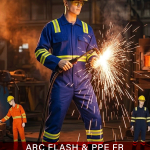

Proper equipment is the first step to a safe workplace. A safety jacket can be the initial safety line of defense on hectic job sites. It maintains awareness of workers. It helps to keep them safe. And it sustains their life.
We’ve been providing high-quality PPE to industrial teams for years at Protective Wears. We know what makes an effective jacket!
Everything you need to know before you buy has been summed up in this guide.
Why a Safety Jacket Matters More Than You Think
Every year, thousands of work accidents take place because of poor visibility. Work areas, such as construction sites, warehouses, and roadside work, pose high risk. When a worker camouflages, it means he or she is at risk.
A high visibility safety jacket addresses this issue directly. Uses bright colors and reflective strips. This is where these features really come in handy, as they help workers stand out even in low light situations. They are easily visible to drivers, machine operators and workers.
This isn’t merely a comfort. It’s required in many industries by law. Hi vis jackets are required for working sites by occupational safety regulations. A fine is possible for not wearing this equipment. Even more dangerous is that it may cause injury or death.
Consider a highway maintenance crew operating in the early morning. Visibility is low. Traffic moves fast. A reflective jacket makes it easier for drivers to pick you up. The seconds are the ones that are the difference between a close call and tragedy.
This is a fact that safety managers are familiar with. It is for this reason that site inspections routinely inspect first for correct PPE. If a jacket is missing or damaged, all work is halted until it can be replaced. This is time consuming and expensive for all concerned.
This equation has a human side to it besides being legal. Families wish their loved ones to return safely home. Employers are looking for efficient workers who aren’t injured. A reliable safety jacket can serve both purposes simultaneously.
What Makes a Reflective Safety Jacket Effective
Not all jackets offer the same protection. A true reflective safety jacket combines several design elements. Each one plays a specific role in keeping workers safe.
Fluorescent Base Fabric
The base fabric uses fluorescent colors like orange, yellow, or lime green. These shades absorb UV light. Then they re-emit it as visible light. This effect makes the jacket glow, even under dull daylight.
Reflective Tape Placement
Reflective tape is stitched across the chest, shoulders, and back. Some designs also add tape to the sleeves. This placement ensures visibility from multiple angles. Headlights and flashlights bounce light straight back to the source.
Material Durability
Good jackets use ripstop or polyester fabric. These materials resist tearing on rough job sites. They also hold up against repeated washing. A jacket that fades quickly loses its protective value fast.
Weather Resistance
Many industrial environments expose workers to rain, wind, or extreme heat. Quality jackets include waterproof coatings or breathable mesh panels. This balance keeps workers comfortable throughout long shifts.
The Science Behind High Visibility Colors
Color doesn’t just happen in the design of safety clothes. Studies of human eye perception of motion and contrast are used by manufacturers. Fluorescents are best against natural backgrounds.
Yellow-green is a good choice to use in light and green. The orange is very visible against the grey concrete and asphalt. Other companies combine both colors in a single high visibility safety jacket. This combination includes more environments.
There are other aspects of contrast besides color choice. Black rim surrounding fluorescent panels makes them look brighter. A little design trick, but does make a significant difference in distance of detection. These combinations are tested in engineers to see how well they perform in the morning and evening.
There are different lighting levels during a shift. Fog in the morning, glare in the afternoon and night darkness all have different impacts on visibility. All three scenarios are taken into account in a well designed hi vis jacket. That’s why reflective tape is used in conjunction with the fluorescent fabric and not in place of it.
Types of Safety Jackets for Different Industries
Different jobs demand different features. Choosing the right style matters as much as choosing a bright color.
Construction Safety Jacket
A construction safety jacket needs heavy-duty protection. Sites often involve sharp debris and unpredictable weather. These jackets usually include reinforced stitching and multiple pockets. Workers need quick access to tools without removing the jacket.
Industrial Safety Jacket
An industrial safety jacket is built for factory and warehouse environments. It often includes fire-resistant fabric options. Some models add insulation for cold storage work. Chemical splash resistance is another common feature in manufacturing settings.
Work Safety Jacket for Roadside Crews
Roadside crews face constant vehicle traffic. Their work safety jacket must meet the highest visibility standards. Bright colors alone are not enough here. Reflective bands must wrap fully around the torso and arms.
Utility and Oil & Gas Sector Jackets
Utility workers often deal with electrical hazards and confined spaces. Their jackets sometimes include arc-rated fabric for added protection. This feature reduces burn risk during electrical faults.
Oil and gas sites add another layer of concern. Flammable environments require flame-resistant treated fabric. Standard fluorescent material will not meet these stricter demands. Always confirm certification specific to hazardous environments before ordering.
Winter and All-Season Options
Additional insulation is needed for cold climates. Padded hi vis jackets keep you warm. Removable liners enable workers to adjust according to the seasons. This versatility prolongs the life of the garment.
Layering is important in very cold weather. The shell jacket with a zip-in thermal liner provides flexibility. The same jacket can be used by workers as they change weather conditions. This eliminates the need to have a separate wardrobe to store summer and winter clothes in.
Armless ventilation zippers reduce arm heat during physical activities. Heavier work produces a lot of body heat even in the winter. A comfortable working environment is ensured by good airflow design without compromising on warmth.
Understanding Safety Clothing Standards
Global safety clothing standards exist to protect workers consistently. Two major certifications guide most manufacturers today.
ANSI/ISEA 107 (United States)
This standard classifies garments by class level. Class 1 offers the lowest visibility requirement. Class 3 offers the highest. Most road construction workers need Class 3 protection. It requires more reflective material and background fabric coverage.
EN ISO 20471 (International)
This European standard uses a similar three-class system. It measures the minimum area of fluorescent and reflective material. Manufacturers must test garments under controlled lighting conditions. Only then can they carry the certification label.
Always check for these labels before purchasing. A jacket without proper certification may not meet workplace safety codes. This could put your entire team at risk.
Comparing Visibility Classes
| Class Level | Typical Use Case | Reflective Tape Requirement |
| Class 1 | Parking attendants, warehouse aisles | Minimal coverage |
| Class 2 | General construction, delivery drivers | Moderate coverage |
| Class 3 | Highway crews, night operations | Full torso and arm coverage |
This table offers a quick reference point. However, always confirm requirements with local regulatory bodies. Standards can vary slightly between regions and industries.
Why Certification Labels Matter
A certification label is more than a sticker. It means laboratory testing in which you can control the factors. Manufacturers must demonstrate that the material has a minimum brightness and reflectivity.
You may think that getting uncertified equipment is an economical choice. In fact, the cost of doing so leaves your business vulnerable. In the event of an accident, a claim may be denied if not properly certified. So, it is a good investment to buy verified safety clothing in the long run.
PPE Safety Jacket Features to Look For
If you are looking for a PPE safety jacket, first consider its purpose. Style is important, but safety is paramount. Here are some PPE safety jackets you should look for:
- Adjustable fit
- Multiple pockets.
- Breathable lining
- Detachable sleeves
- Rust-proof zippers
How to Choose the Right Hi Vis Jacket
Selecting the correct jacket depends on several factors. Consider these points before making a purchase.
Assess the Work Environment
Outdoor road work needs Class 3 visibility. Indoor warehouse work may only need Class 2. Match the jacket class to actual risk exposure. Overspending on unnecessary protection wastes the budget.
Check the Climate
Hot regions call for lightweight, breathable mesh designs. Cold regions need insulated, windproof options. Always match the jacket to seasonal demands.
Consider Team Size and Budget
Bulk orders often reduce per-unit costs significantly. Protective Wears offers volume pricing for large teams. This makes outfitting entire crews more affordable.
Prioritize Comfort and Fit
An uncomfortable jacket gets left in the truck. Choose adjustable, breathable designs that workers actually want to wear. Comfort directly impacts compliance rates on site.
Getting the Right Size and Fit
People are more likely to make a size error than they think. A too-tight jacket interferes with movement and breathing. One that is too loose may catch on to equipment/machinery.
First, measure the circumference of the chest over typical clothing. In winter, if the jacket is worn on top of thermal layers, include additional space. Detailed size charts, such as Protective Wears sizes, are available online from most manufacturers.
The length of the sleeve is as important as the chest size. Sleeves that are not sufficiently long allow the wrists to be exposed to dangers. Loose sleeves may get snagged on tools or machine components. Please always verify both measurements prior to ordering.
If team members are in a variety of sizes, a size range is the best choice. This will save you from ordering one size for an entire crew. There’s no need for extra hassle when ordering in bulk with Protective Wears because we allow orders of any size.
Maintenance Tips to Extend Jacket Lifespan
Proper care keeps reflective properties working longer. Follow these simple steps to protect your investment.
- Wash jackets in cold water whenever possible.
- Avoid bleach, since it can damage reflective tape.
- Air dry instead of using high heat settings.
- Inspect reflective strips monthly for peeling or fading.
- Replace jackets once visibility drops below safety thresholds.
Regular maintenance is not optional. A faded jacket offers false confidence. Workers may believe they are visible when they are not.
Common Mistakes to Avoid
Many companies make avoidable errors when buying safety gear. Awareness helps you sidestep these issues.
Buying the wrong class level. Some managers assume all hi vis gear meets legal requirements. This assumption can be costly during an audit.
Ignoring fit for comfort. Oversized jackets look safe but restrict movement. Poor fit increases the risk of accidents around machinery.
Skipping regular replacement. Reflective material degrades with washing and sun exposure. Set a replacement schedule based on usage intensity.
Choosing style over function. Bright color alone does not guarantee compliance. Always verify certification labels before purchase.
Why Choose Protective Wears for Your Safety Clothing Needs
Protective Wears has supplied certified PPE to industrial teams for years. We source materials that meet ANSI and EN safety standards. Our team tests every batch before it reaches your warehouse.
We understand that safety gear is not just a purchase. It is a promise to your workforce. That is why we offer detailed sizing guides and bulk order support. Our customer service team helps you match jackets to your exact job site needs.
Every safety jacket we sell goes through quality checks. We verify stitching strength, reflective tape adhesion, and fabric durability. This process ensures your team gets gear that performs under pressure.
Safety Jackets FAQs
What class of safety jacket do I need for road work?
Most road work will require Class 3 visibility in accordance with ANSI/ISEA 107. The reflective coverage in this class is maximum in high traffic areas.
Can I wash a reflective safety jacket at home?
Yes, but cold water and no bleach. Exposure to rough chemicals can cause the reflective tape to deteriorate.
How often should I replace my hi vis jacket?
Change jackets when reflective strips fade and fabric colors fade. The majority of jackets will last for one to two years if used regularly.
Are safety jackets required by law?
In many industries, occupational health and safety rules require the use of PPE. Please see local codes for requirements, depending on the country and nature of the job.
What is the difference between a vest and a jacket?
A vest is a more simple, sleeveless type of visibility clothing. A jacket provides protection against the weather and full arm reflective coverage.
Final Thoughts
Wearing a safety jacket is more than a uniform requirement. It’s a life-saving piece of protective equipment. The right jacket will also ensure that your team and business are protected.
Protective Wears has certified, long-lasting, and cozy protective apparel for all industries. Shop our selection now and provide your staff with the equipment they can count on! Don’t leave visibility to chance.