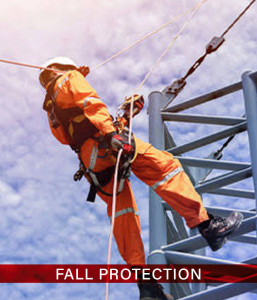
Working at height means having the right planning and the right equipment. Fall protection is a detailed solution that can prevent a fall or minimise injury if a fall occurs. Protective Wear provides fall protection equipment for construction, maintenance, roofing, utilities and industrial work across Saudi Arabia, Qatar, Kuwait, Bahrain, Jordan, Egypt, Iran and Iraq.
See harnesses, lanyards, anchors, lifelines and ready to use kits. Select products suitable for the work area, fall distance and connection point. Equipment alone is not what makes a worksite safe. Workers should also be given suitable training. Every system shall be selected, installed and tested by a competent person.
Shop Fall Protection by Product Type
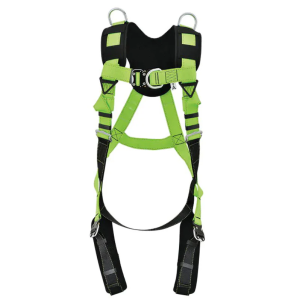
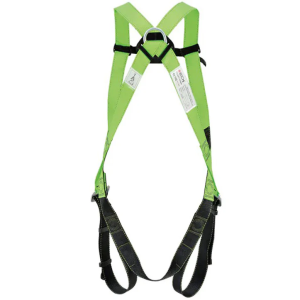
Full-Body Harnesses
A full body harness distributes fall arrest forces to the shoulders, thighs and pelvis. It has to fit the worker properly. Poorly fitting or loose straps can impact performance and comfort. Choose a harness for the task. Consider available attachment points, adjustment system, worker size and expected time of wear.
Lanyards and Connectors
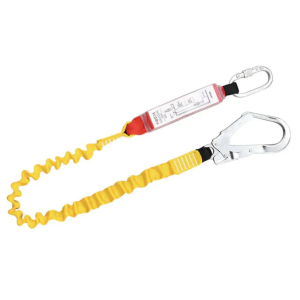
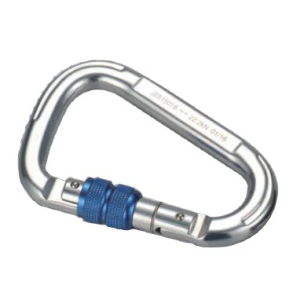
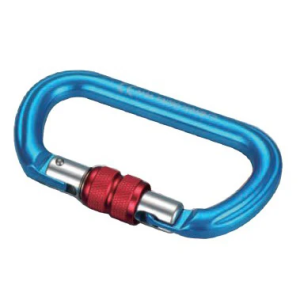
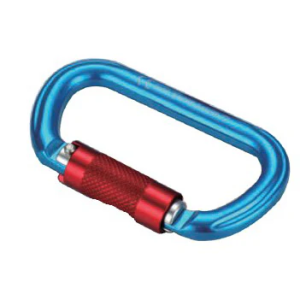
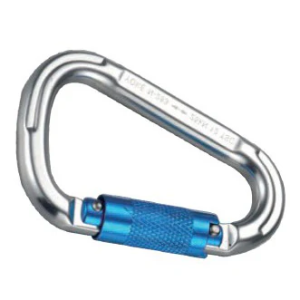
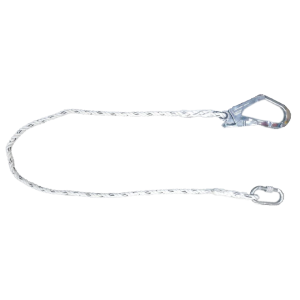
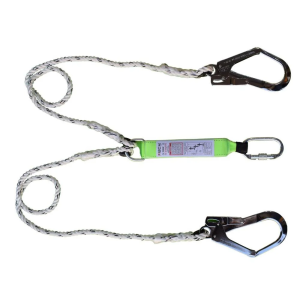
Lanyards connect a harness to an anchorage or horizontal lifeline. Options include energy-absorbing lanyards, restraint lanyards and twin-leg designs. Always check connector compatibility. The selected lanyard must also provide enough clearance below the worker.
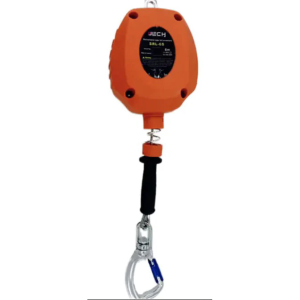
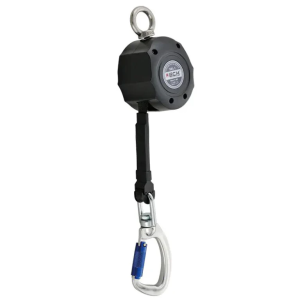
Self-Retracting Lifelines
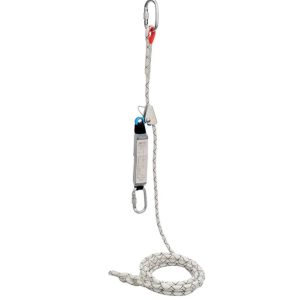
Self-retracting lifelines extend and retract as the worker moves. They are designed to lock when sudden movement occurs. Models differ in length, material, approved orientation and leading-edge suitability. Review the manufacturer’s instructions before use.
Anchorage Connectors
An anchorage is a secure connection point for the system. Anchorage connectors may be designed for steel beams, concrete structures, roofs or other approved surfaces. Never connect equipment to an unverified structure. Anchorage selection should be completed by a competent or qualified person as required by the application.
Horizontal and Vertical Lifelines
Lifelines support movement across roofs, ladders and elevated work areas. Permanent and temporary options are available. These systems must be designed and installed for the intended structure. The number of users, line length and fall clearance can affect system performance.
Fall Protection Kits
A fall protection kit combines compatible items for a defined type of work. A kit may contain a harness, lanyard, lifeline, anchor or storage bag. Kits can make product selection easier. However every component must still be suitable for the specific hazard and work environment.
Build a Complete Fall Protection System
Effective fall protection systems usually combine several connected elements:
A suitable anchorage
A body-support harness
A connector, lanyard or lifeline
Adequate fall clearance
An inspection and maintenance process
Worker training
A prompt rescue plan
The components must work together. Avoid mixing equipment unless the manufacturers confirm compatibility. A rescue plan is needed too. If a worker is left hanging after falling, he may need immediate help. The plan should include trained rescuers, rescue equipment and communication procedures.
What Is the Difference Between Fall Arrest and Fall Protection?
The difference between fall arrest and fall protection is mainly one of scope. Fall protection is the broader safety approach. It includes methods that prevent workers from reaching a fall hazard. It also includes systems that stop a fall after it begins. Fall prevention methods may include guardrails, covers and travel-restraint systems. These controls are intended to stop a fall from occurring.Fall arrest is used when exposure to a fall cannot be fully prevented. A personal fall arrest system typically includes a full-body harness, anchorage and connecting device. It is designed to stop the worker before contact with a lower level. Whenever practical hazards should first be removed or controlled through workplace design. Personal protective equipment is used when the remaining risk requires it.
Understanding OSHA Fall Protection Requirements
Federal OSHA fall protection requirements depend on the type of workplace and task. OSHA generally requires protection at elevations of four feet in general industry, five feet in shipyards, six feet in construction and eight feet in longshoring. Protection is also required when workers are above dangerous machinery or equipment, regardless of distance. Specific tasks may have additional rules.Common protective methods include guardrail systems, safety-net systems and personal fall arrest systems. The correct selection depends on the hazard and the applicable OSHA standard. Employers should conduct a site specific risk assessment before the work begins. State-plan standards may be more protective than or different from federal OSHA standards.
How to Choose Fall Protection Devices
Different fall protection devices serve different purposes. Start by reviewing the task and the work area.Consider:
The height and location of the hazard
The available anchorage points
The required range of movement
The total fall-clearance distance
Sharp or leading-edge exposure
Worker size and combined weight
Heat, moisture, chemicals and electrical hazards
Rescue access
Applicable regulations and manufacturer instructions
Do not select equipment based only on price or appearance. Confirm that each item is approved for the planned application.
Inspect Equipment Before Every Use
Workers should inspect their equipment before use. Follow the inspection steps and frequency provided by the manufacturer.Look for:
Cuts, fraying or damaged stitching
Burns or chemical contamination
Cracks, corrosion or deformation
Damaged hooks, gates or buckles
Missing or unreadable labels
Signs that a fall-arrest load has occurred
Unauthorised repairs or modifications
Remove questionable equipment from service. Equipment implicated in a fall shall not be re-used unless confirmed safe by a competent person or the manufacturer. Inspection records enable companies to keep track of product condition and service dates and removal decisions.
3M Fall Protection Equipment
3M fall protection solutions include items from the 3M™ DBI-SALA® and 3M™ Protecta® portfolios. Categories available are complete body harnesses, anchors, lanyards, self-retracting lifelines, rescue devices & permanent lifeline systems. When suitable for the task, a 3M fall protection harness may be appropriate for construction, maintenance and industrial applications. See the specifications of the product. Models may differ in places of attachment, size, weight capacity and allowed usage. Always follow current 3M user instructions. Never presume that all harnesses, lanyards or connectors are compatible with all systems.
Why Buy Fall Protection Equipment from Protective Wear?
Protective Wears makes it easy to compare essential working-at-height products all in one place. Filter equipment by brand, product type & application. Review specifications before ordering. Choose a system that offers safe motion, reliable connection and correct fit. For complex work get the advice of a trained fall protection specialist or competent person before choosing equipment.
Fall Protection FAQs
What equipment is needed for fall protection?
The required equipment depends on the hazard. A personal fall arrest system may include a full-body harness, approved anchorage and connecting device. Guardrails, safety nets or restraint systems may be more suitable for other tasks.
Is a safety harness enough on its own?
No. A harness is only one part of a system. It must be connected to a suitable anchorage through a compatible lanyard, lifeline or self-retracting device.
Can fall protection components from different brands be combined?
Only combine components when compatibility has been confirmed. Follow the instructions from each manufacturer. Unapproved combinations may create rollout, accidental disengagement or loading hazards.
How often should fall protection equipment be inspected?
Users should inspect equipment before each use. Additional formal inspections should follow the manufacturer’s instructions, workplace procedures and applicable regulations.
Should equipment be reused after stopping a fall?
Equipment exposed to fall-arrest forces should be removed from service immediately. It should only return to use when permitted by the manufacturer and approved by a competent person.
How do I select the correct fall protection kit?
Choose a kit for the actual task and structure. Check the anchorage, connector type, harness size, working range and required clearance. Also confirm that the kit meets the applicable workplace requirements.
Choose Reliable Protection for Work at Height
The right fall protection equipment supports safer movement and more effective hazard control. Shop harnesses, anchors, connectors, lifelines and complete kits at Protective Wear for work at height across Saudi Arabia, Qatar, Kuwait, Bahrain, Jordan, Egypt, Iran and Iraq. Always use equipment as part of a planned system. Complete the required training, inspections and rescue preparation before work begins.